
Dowbloadable draft agendas:
- Overall programme [3 - 6 Nov] is available here.
- Political track programme [3 - 4 Nov] is available here.
- Youth Panel programme [(3) - 4 Nov] is available here.
First time attending the Environment Forum? This session is for you!
In this session, participants can gain a deeper understanding of Eurocities’ organisational structure and learn about the advantages of being a member. They will learn about the thematic areas of the ENVI Forum and the different opportunities that offers for its members. Additionally, this session will provide a space for participants to engage in discussion with Eurocities’ team and voice specific needs and interests of their cities
Venue: Palácio Vila Flor
Room: S2
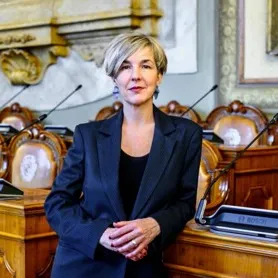
Awarded European Green Capital 2026, the European Commission's flagship award recognising cities with more than 100,000 inhabitants for their local environmental and climate action, Guimarães will present its One Planet City Declaration. The declaration calls on cities worldwide to strengthen their commitment to addressing the climate emergency through five fundamental pillars: education, science, social justice, the green economy, and culture.
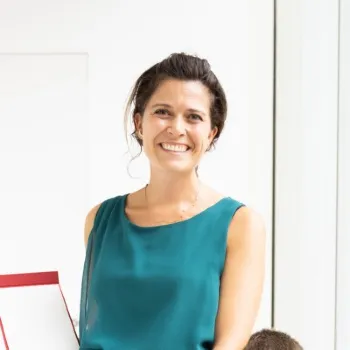
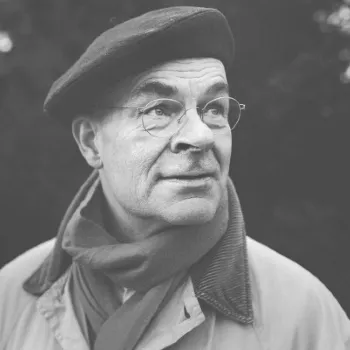
Europe’s cities are already living with the realities of climate change: hotter summers, more frequent heatwaves, pressure on buildings and infrastructure, rising health risks, and growing inequalities between those who can adapt and those who cannot. In that context, the European Commission’s emerging Right to Stay initiative opens an important political debate: what does it mean to ensure that people can continue to live in their city — safely, affordably, and with dignity?
This discussion brings together mayors and deputy mayors to reflect on a key defining urban question: how do we keep cities liveable when extreme heat becomes part of everyday life? And how do we ensure that the right to stay also means the right to remain in a healthy environment, with access to decent housing, clean air, green space, and resilient services?
- Eurocities policy priorities and initiatives
- New Ways of Working
- People at Eurocities
- EEF 2027
Study visits
Please note that all study visits will depart from here.
District C is an area of urban innovation that integrates cultural, creative and scientific spaces, linked to the rehabilitation of Couros’ industrial heritage. It functions as a living lab where solutions for mobility, energy, waste and land use are tested, bringing the city closer to the climate transition. The cluster brings together educational facilities, research spaces, areas for artistic experimentation and meeting places, enabling different audiences to actively use the territory. District C shows how urban regeneration can support sustainability, combining heritage preservation with new functions and participation models. The project is recognised at European level for its contribution to environmental, cultural and social innovation.
This is a walking tour. Please wear comfortable shoes and dress appropriately for the weather forecast.
Retention Basins
The Retention Basins of the Costa/Couros Stream are climate adaptation infrastructures built to reduce flood risk in the lower part of the city. Located at strategic points, they temporarily store large volumes of water, regulating the streamflow and reducing pressure on the water system during periods of heavier rainfall. The intervention integrated ecological enhancement solutions, such as restoring the riparian gallery, stabilising the banks and creating a green-blue corridor that strengthens natural connectivity. These basins contribute to urban resilience, improving safety, ecosystem functioning and the relationship between the population and the riverside environment.
Gymnastics Academy
The Gymnastics Academy of Guimarães is a facility dedicated to training and competition, designed with energy-efficiency and environmental-integration criteria. The building — striking for its cork cladding — uses sustainable solutions such as rainwater capture and reuse systems, photovoltaic panels for energy production, and geothermal energy for climate control. These elements reduce consumption, improve thermal performance and lower the facility’s ecological footprint. The space was planned to ensure appropriate conditions for sports practice, promoting comfort, safety and indoor air quality. The Gymnastics Academy shows how public facilities can incorporate sustainable construction principles, serving as a local reference for adopting practices aligned with the climate transition.
A bus will be provided by the organisers. Please be aware that parts of the tour involve walking outdoors, so wear comfortable shoes and dress according to the weather forecast.
Community Garden
The Community Garden is a public area dedicated to urban agriculture, enabling residents to grow produce for their own consumption in individual plots. The project promotes direct contact with nature, encourages more sustainable eating habits and values the fertile soils of the Veiga de Creixomil. The space also serves as an educational resource, offering activities that strengthen environmental literacy and understanding of natural cycles. The garden contributes to community wellbeing, creating opportunities for hands-on learning, social interaction and active participation in the management of green spaces.
Veiga de Creixomil
Veiga de Creixomil is a low-lying area of the city, traversed by the Selho River, historically associated with agriculture and rich in biodiversity. The site maintains a variety of habitats that support local flora and fauna, forming a green corridor within the urban fabric. It is valued for its ecological, cultural, and educational functions, providing opportunities to explore natural cycles, observe wildlife, and understand the interactions between water, soil, and vegetation. Veiga de Creixomil highlights the importance of conserving peri-urban landscapes, balancing heritage, ecosystem services, and community engagement.
The Landscape Laboratory
The Landscape Laboratory is a structure dedicated to research, education and technical support in environmental sustainability. Housed in a rehabilitated former industrial unit, it develops projects in areas as diverse as biodiversity, water resources, climate, health and wellbeing, and circular economy. This Centre hosts researchers, promotes awareness-raising initiatives and coordinates educational programmes. It acts as a link between science, the community and public policies, producing applied knowledge and supporting the implementation of solutions that contribute to climate resilience, sustainable resource management and the municipality’s environmental value.
A bus will be provided by the organisers. Please be aware that parts of the tour involve walking outdoors, so wear comfortable shoes and dress according to the weather forecast.
- Topic 1: How to keep momentum for climate policies in electoral campaigns and fight climate backlashes and disinformation?
- Topic 2: What did this summer and autumn teach us about urban climate resilience and how can cities move from emergency response to preparedness?
- Topic 3: Mobilising our community of EEF politicians. Reflection on policy priorities, the way forwards and political campaigns.
Venue: Laboratório da Paisagem
Room: Auditorium
Venue: Palácio Vila Flor
Workshops on evidence-based policy making
Cities are increasingly seeking evidence-based ways to engage citizens in shaping the future of their neighbourhoods and urban environments. This interactive session will introduce the FutureBEEing project, which brings together cities and academic partners to develop a digital visualisation tool that translates complex scientific data into accessible scenarios for participatory planning.
The tool enables users to explore the potential impacts of policy and planning decisions across multiple scales - from individual streets and neighbourhoods to entire cities. It integrates scientific indicators covering energy (e.g. CO₂ reduction and district heating), infrastructure (above and below ground), ecology (including biodiversity, green space and tree canopy cover), urban heat island effects, water and flooding, as well as social indicators such as access to points of interest.
Following a demonstration of the tool and its underlying scientific approach, participants will discuss how such a platform could support decision-making and citizen engagement in their own cities. The workshop will gather feedback on the opportunities, challenges and practical considerations for adopting this type of digital decision-support tool in different local contexts, helping to inform its further development and implementation.
For more information, please check the agenda for Workshop 1.
Room: S2
This workshop will explore how Mission Cities are building collaboration with academia and researchers to accelerate climate action and is open to both Mission Cities and Mission-minded cities pursuing similar goals. Drawing on lessons learnt from Mission Cities’ engagement with academia for climate neutrality objectives, the workshop looks at the structures and mechanisms currently available to formalise partnerships with universities, along with the opportunities and challenges these collaborations present. Grounded in case studies from selected Mission Cities and from the Guimarães Landscape Laboratory, the session aims to surface lessons and replicable models for all cities seeking to strengthen evidence-based policymaking for and beyond the EU mission.
Room: S4
This workshop will explore what cities can learn from emergency preparedness to strengthen long-term planning. The workshop will focus on connecting scientific evidence with adaptive decision-making and long-term urban planning. Drawing on findings from the Eurocities Pulse survey and the experience of Mechelen's crisis management exercise, participants will examine how evidence can support more effective responses to complex and evolving climate-related emergencies. The session will highlight the need for flexible decision-support tools, such as adaptive decision trees, that help cities prioritise actions in situations where traditional crisis plans may not reflect rapidly changing realities.
Through two interactive breakout discussions, participants will work through scenarios such as heatwaves and flooding to identify immediate challenges, explore the interconnections between infrastructure, social, environmental and public health impacts, and consider how existing long-term plans influence emergency response priorities. The workshop will conclude by identifying the tools, knowledge, partnerships and future collaboration needed to help cities translate evidence into adaptive, coordinated and resilient action.
Room: S1
Territorial Solutions for Climate Resilience
This visit will explore how cities can translate climate science into practical territorial solutions, connecting prevention, modelling and direct response to climate risks. In Guimarães, climate action is supported by an applied science ecosystem that brings together the Landscape Laboratory, municipal teams and territorial data, enabling evidence-based decision-making and the development, testing and monitoring of solutions adapted to local challenges.
The visit will highlight concrete examples of nature-based and territorial solutions for climate resilience, including solutions integrated into Guimarães’ Green Map, demonstrating how green and blue infrastructure can contribute to flood risk management, ecosystem resilience and urban adaptation.
Participants will also experience an immersive demonstration of territorial transformation, showing how scientific knowledge, territorial data and innovation can be translated into concrete interventions on the ground.
The programme will showcase the Landscape Laboratory as a science-based structure supporting municipal climate action, and, importantly, how its scientific teams work in close operational articulation with the Municipality’s technical teams — from risk assessment and modelling to planning, implementation, monitoring and direct response.
A bus will be provided for this study visit
Participants will explore what a One Planet City could look like in 2050, building on Guimaraes One Planet City Declaration and insights from the morning study visits. Through interactive discussions, they will identify key challenges and opportunities, formulate recommendations for cities, and develop a collective message bringing a youth perspective to the Forum's discussions.
Venue: TBC
Venue: Teatro Jordão
Room: Lobby
Venue: Teatro Jordão
Room: Main auditorium
A moment for cities to present their projects to the plenary in an elevator pitch format, followed by open networking as participants move between the stands of the showcase cities.
Venue: Teatro Jordão
Room: Main auditorium
Venue: Palácio Vila Flor
Parallel WG meetings
(coffee break at 10.00-10.30)
- WG roundtable – update and input by each member
- How can new air quality targets, the need for action and the introduction of new measures by a city communicated? Participants will explore and share effective approaches to public engagement and discuss city practices.
Room: S3
- Introduction by Guimarães
- Tour de table
- Breakout on climate plans and policy updates
For more information, pleach check agenda WG CCEE.
Room: Foyer
- Welcome and introduction to new WG co-chairsWG co-chairs will work together, plans for end of 2026 / start of 2027
- Tour de table
- Session on: FutureBEEing project – Building on Wednesday's workshop, this session will delve deeper into the science behind the FutureBEEing tool. Using Hengelo (Netherlands) as a live test case, it will demonstrate how the tool has been used to visualise the effects of policy measures on biodiversity and inform biodiversity and climate adaptation decisions. Participants will see how scientific formulas, developed together with academia partners, translate planning choices into concrete ecological outcomes.
- Discussion on on satisfactory levels related to the Nature Restoration Regulation.
Room: S2
- Sharing updates and recent developments from the WG Noise member cities;
- Exchanging experiences and good practices on key urban noise challenges;
- Exploring specific topics, inluding event noise, nightlife noise and their impacts on neighbouring residents;
- Discussing approaches to noise measurement, including the use of A-weighted and C-weighted decibel levels in the context of events;
- Receiving updates on relevant European and Eurocities policy developments;
- Showcasing city experiences and discussing common problems and challenges;
- Identifying priorities for future Eurocities WG Noise position papers, including tram noise, traffic noise, event noise and the health impacts of noise exposure.
Room: S4
For more information, please check the agenda.
Room: S1
Parallel WG meetings
(coffee break at 15.30-16.00)
- Continuation of the roundtable on the communication
- As a continuation of the work on sensors, some time will be dedicated to the ongoing preparations of the briefing document.
- Guimaraes – intro and site visit (tbc)
Room: S3
For more information, pleach check agenda for WG CCEE.
Room: Foyer
- Welcome and introduction to new WG co-chairsWG co-chairs will work together, plans for end of 2026 / start of 2027
- Tour de table
- Session on: FutureBEEing project – Building on Wednesday's workshop, this session will delve deeper into the science behind the FutureBEEing tool. Using Hengelo (Netherlands) as a live test case, it will demonstrate how the tool has been used to visualise the effects of policy measures on biodiversity and inform biodiversity and climate adaptation decisions. Participants will see how scientific formulas, developed together with academia partners, translate planning choices into concrete ecological outcomes.
- Discussion on on satisfactory levels related to the Nature Restoration Regulation.
More details to come
Room: S2
- Sharing updates and recent developments from the WG Noise member cities;
- Exchanging experiences and good practices on key urban noise challenges;
- Exploring specific topics, inluding event noise, nightlife noise and their impacts on neighbouring residents;
- Discussing approaches to noise measurement, including the use of A-weighted and C-weighted decibel levels in the context of events;
- Receiving updates on relevant European and Eurocities policy developments;
- Showcasing city experiences and discussing common problems and challenges;
- Identifying priorities for future Eurocities WG Noise position papers, including tram noise, traffic noise, event noise and the health impacts of noise exposure.
Room: S4
For more information, please check the agenda.
Room: S1
Room: S3
Parallel WG meetings
(coffee break at 10.30-10.45)
Focus on examining key implementation aspects of the Ambient Air Quality Directive, including the extension of deadlines for limit values and the evaluation of measures under Annex 8. In addition, members will review the final document on spatial representation and modelling, share updates from ongoing initiatives, and identify priority topics and activities for the working group's 2027 work programme.
Room: S3
For more information, please check the agenda.
Room: S1
Room: Foyer
- Sharing updates and recent developments from the WG Noise member cities;
- Exchanging experiences and good practices on key urban noise challenges;
- Exploring specific topics, inluding event noise, nightlife noise and their impacts on neighbouring residents;
- Discussing approaches to noise measurement, including the use of A-weighted and C-weighted decibel levels in the context of events;
- Receiving updates on relevant European and Eurocities policy developments;
- Showcasing city experiences and discussing common problems and challenges;
- Identifying priorities for future Eurocities WG Noise position papers, including tram noise, traffic noise, event noise and the health impacts of noise exposure.
Room: S4
Venue: Teatro Jordão