
The downloadable version is available here.
Location: Stadskantoor, Ground floor
Welcome to Eurocities! If you're new to the Eurocities network, this session is a chance for you to find out more about how the network works and highlight the different opportunities available to member cities. There will also be time for discussion with the Eurocities team, and find out more about member tools and resources such as the collobaration space and funding information.
For Eurocities members only
Venue: Stadskantoor
Room: V32 and V33
1. Reuse Centre
Utrecht is one of the first cities in the Netherlands to develop a Reuse Centre (depot for raw materials) for storing, repairing and reusing of materials salvaged from public spaces. As many materials as possible are recycled, such as a discarded swing, a defective lamppost, or damaged bicycle racks. This initiative allows the municipality to give such materials a new life and it supports our goal of becoming fully circular by 2050, promoting sustainable material management. For this innovative project Utrecht collaborates with other European cities in an Interreg program. At the depot, it becomes visible on a daily basis how materials are preserved, costs are reduces and environmental gains are achieved.
Meeting point: Registration desk at Stadskantoor.
A bus will be provided by the organisers for participants to travel from the meeting point to the Reuse Centre.
2. Medieval wharves: boat tour
Restoration of the medieval wharves area: a boat tour with the wharf master and city ecologist through the inner canals.
Our 800-year-old wharves and canals in the city centre require a lot of maintenance. Here, the necessary maintenance of history and heritage needs to be combined with the task of making our city future proof. It is an area with a lot of different stakeholders and processes at play. Utrecht will invest half a billion in replacement and maintenance over the next 30 years. How do you tackle such a task? And how do we do this sustainably? A boat tour through the inner canals of the city will float you through the construction sites and a wharf master and city ecologist will tell the story of this special part of the city.
Meeting point: Registration desk at Stadskantoor.
This tour will be conducted on foot and by boat.
3. Utrecht’s cycling ecosystem
Utrecht, ranking first place in the Copenhagenize Index 2025, constructs the city around cycling. Active mobility is key to Utrecht's vision of becoming a ’10-minute city’. Already renowned for its extensive network of bike lanes, cycling streets, and bike parking facilities, Utrecht continues to lead by example. Iconic projects such as the Dafne Schippers Bridge, connecting the city with new residential areas in the east, and the large-scale bike parking facilities at train stations, which support seamless bike and public transport travel, are just a few highlights worth exploring. Join us on this cycle tour to experience Utrecht’s transformation towards healthy urban living for all.
Meeting point: Registration desk at Stadskantoor.
This tour requires participants to have cycling experience.
4. Plan Einstein Academy: living together, learning together, working together.
Join us for a study visit to Plan Einstein. During this study visit, we will introduce you to Utrecht’s famous Plan Einstein approach, which is an innovative social transformation approach towards refugee reception in connection with neighbourhood members. By developing inclusive activities and welcoming spaces Utrecht has managed to design spaces for meaningful encounters. This way (professional) networks are unlocked for all Plan Einstein participants. During this study visit we will also share our first experiences with transferring the Plan Einstein approach to Zagreb, Warsaw, Thessaloniki, Suceava and the Coimbra region through the URBACT Transnational Network programme.
Meeting point: Registration desk at Stadskantoor.
A bus will be provided by the organisers for participants to travel from the meeting point to Plan Einstein.
5. Smart mobility and grid congestion
This walking tour will focus on smart mobility. Shared cars are becoming essential for Utrecht. They help us use our limited urban space more wisely by reducing the number of privately owned vehicles on our streets, which creates more space for greener streets, safer walking routes, better cycling paths, and healthier neighbourhoods. Furthermore, car sharing supports new housing developments where space isn’t used for large parking structures. Bidirectional shared electric cars strengthen this story even further, as they also support our energy system by storing renewable electricity when the sun is shining or the wind is strong, and giving power back to the grid when demand rises. This results in fewer energy grid problems, better use of clean energy, and less need for expensive upgrades. Together, shared and bidirectional cars help Utrecht grow into a cleaner, more efficient, and future‑ready city.
Meeting point: Registration desk at Stadskantoor.
Please be aware that this is a walking tour. We recommend that participants wear comfortable shoes and carry a bottle of water.
6. Art in the public space
In Utrecht, there are more than 400 works of art in public spaces: in squares and parks, but also in places such as schools, libraries, district offices, and parking garages. Utrecht has a rich tradition in the field of art in public space. The belief that art makes a substantial contribution to the public space is widely shared across the city. Art makes the city distinctive for residents and visitors alike. For 70 years, Utrecht has commissioned artists to create artworks for the city, often involving local residents or users of a building or location in the process. In Utrecht, 1.5% of the construction budget for new buildings or renovations of public facilities is allocated to art. Since 1954, this so-called 1.5% scheme has resulted in many remarkable artworks; art that is visible and accessible to everyone. Join us on this walking tour as we explore various works of art in the Station area and hear the story behind them.
Meeting point: Registration desk at Stadskantoor.
Please be aware that this is a walking tour. We recommend that participants wear comfortable shoes and carry a bottle of water.
7. Citywalk
Utrecht and the surrounding area are full of surprises and hidden gems. A city walk is perfect for discovering the city’s secrets. Take in the city’s highlights on this walk! See the Dom Tower, the Oudegracht canal and its famous wharf cellars, the various churches that tell a thousand tales and the secret alleyways you would never have discovered without the help of our guide.
Meeting point: Registration desk at Stadskantoor.
Please be aware that this is a walking tour. We recommend that participants wear comfortable shoes and carry a bottle of water.
National meeting of Spanish cities: Room V32 (6th floor)
Non-EU members meeting: Room V33 (6th floor)
National meeting of the French cities: Room V34 (6th floor)
National meeting of the German cities: Room V35 (6th floor)
National meeting of the Swedish cities: Room V37 (6th floor)
The walking dinner reception will be held at the historic City Hall, accompanied by live music. This event presents a wonderful opportunity to reconnect with colleagues from all Eurocities member cities, meet new attendees, and kick off the conference together. We look forward to seeing you there!
Address: Entrance from the Korte Minrebroederstraat side
Programme:
19:30 - Open Doors
20:00 - Welcome speech and start of the dinner
23:00 - End
Location: registration desk at the Jaarbeurs Media Plaza
Celebrating past successes/achievements, imagining the future
The opening plenary will set the scene for the conference and space to reflect on what we have achieved together and to ask ourselves: where do we want to go next?
Keynote:
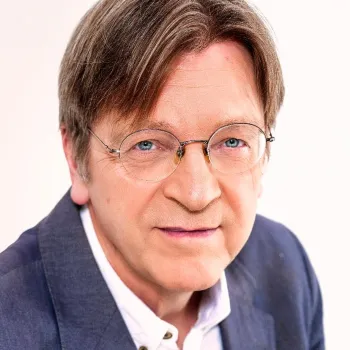
Maarten A. Hajer is a Dutch political scientist and urban planner known for his work on discourse analysis, environmental governance and urban futures. A leading voice on sustainable urban development and future‑focused policymaking, he brings extensive experience from academia and public service, and will share his insights in this opening session.
Other speakers to be confirmed
Room: Polar
Parallel sessions
As Europe prioritises competitiveness and strategic autonomy, cities are showing that climate action can unite these goals rather than compete with them. This session will explore how local innovation is keeping climate neutrality and resilience at the center, while fostering economic competitiveness. It will highlight how cities can hold Europe’s priorities together without compromising on their climate objectives, moving forward with citizens, local communities, and businesses.
Room: Glow


By June 2026, when the Annual Conference will take place, negotiations on the next Multiannual Financial Framework (MFF) will be well under way, shaping the EU’s financial priorities for the decade ahead. The choices made will determine how Europe invests in its green transition, social cohesion, digital transformation, and competitiveness. For cities, which are at the frontline of delivering on these priorities, the MFF is not just a budget, it is a question of capacity: will local governments have the resources and access they need to turn ambition into reality? During this session, we will assess how far negotiations have progressed, where cities’ needs have been recognised, and where gaps remain.
Room: Spark

From experimenting with new models of housing, skills development, and guaranteed income, to designing integrated approaches that link social, health, and labour policies, local governments are showing that innovation can deliver fairness and dignity. This session will showcase pioneering city practices, connect them to the upcoming EU Anti-Poverty Strategy, and spark dialogue on how urban leadership can drive a Europe where no one is left behind.
Room: Flash
Funded by the European Union. Views and opinions expressed are however, those of the author(s) only and do not necessarily reflect those of the European Union. Neither the European Union nor the granting authority can be held responsible for them.


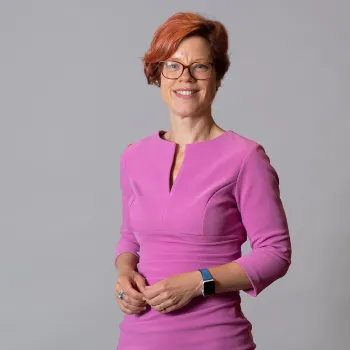
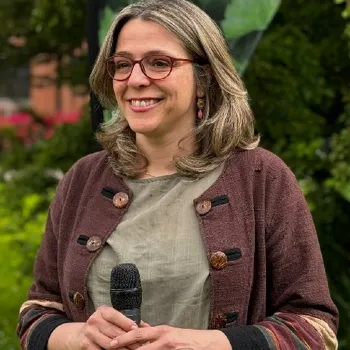

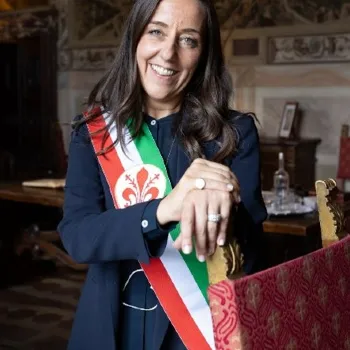


Join us for the Eurocities Awards ceremony, celebrating outstanding achievements by cities and individuals who are improving quality of life for residents and tackling Europe’s most pressing challenges.
The City Heroes award recognises politicians who champion international cooperation. It honours those who have enabled cross‑city collaboration, supported the sharing of good practices, and strengthened the role of cities in European and global networks.
The City Initiative award highlights actions in two key areas: urban climate action and breaking gendered poverty cycles, showcasing innovative approaches to creating more sustainable and equal cities.
Room: Polar
Learning Loop sessions
Cities across Europe are facing increasingly complex social, environmental and economic pressures. Yet some of the most innovative and practical solutions often come not from a theory, but from the lived experience of city peers. The Learning Loop session is designed to harness exactly this: real stories, real challenges and real insights that help cities learn from one another and identify opportunities to strengthen engagement, collaboration and impact.
Taking place across two parallel rooms, each session mirrors the political themes explored during the morning discussions and showcases the shortlisted cities for the Eurocities awards on climate and poverty. Through city case studies, structured dialogue and collective reflection, participants will explore what is working, what is emerging and what could be replicated or adapted in their own contexts.
What participants will gain
- Practical inspiration from peer city experiences
- Insights into shared challenges across European cities
- Tangible ideas to feed into Eurocities’ wider political agenda
- Opportunities to co-develop approaches that strengthen member engagement
- Connections with colleagues tackling similar issues
Duration and Format:
90 minutes, 2 parallel sessions (participants choose one room). Each room explores the different cities' initiatives focused on poverty and climate, featuring successful cases followed by interactive group reflections.
You can refer to the awards page if you want to read more details on the case studies that will be presented. More information is available here.
Room: Flash
You can refer to the awards page if you want to read more details on the case studies that will be presented. More information is available here.
Room: Glow
This closed political session offers city leaders a trusted space for open and strategic reflection among peers. It explores the evolving role of local politicians amid increasing pressures, blurred governance boundaries, and rising citizen expectations. The discussion will address tensions between short-term demands and long-term vision, as well as the sustainability of political leadership. By fostering honest exchange, the session aims to strengthen mutual support and collective responses to shared challenges across European cities.
For more information, please consult the briefing.
Room: Spark
We are excited to welcome you to Eurocities' 40th anniversary party, set in the beautiful Nicolaï Church in the center of Utrecht. The evening will begin with welcome drinks in the adjacent garden of the Centraal Museum, providing a relaxed opportunity to catch up with other attendees. At 8:30 PM, we will move to the Nicolaï Church for dinner. After dinner, we will celebrate 40 years of Eurocities cooperation, accompanied by energetic live music!
Address: Nicolaas Dwarsstraat 14
Programme:
19:00 - Open doors
19:30 - Welcome drinks in the garden
20:30 - Relocation to the church & beginning of the dinner
22:00 - Party
00:00 – End
Dress code: colourful attire
The Eurocities General Assembly is the network’s highest decision‑making body, bringing together political representatives from major European cities. It sets the strategic direction of the organisation, approves key policy priorities, and is also the moment when new members are formally welcomed and results of elections to leadership roles are announced.
Room: Polar
This Eurocities Mayors Summit will reaffirm the network’s strong commitment to defending democracy and strengthening solidarity among city leaders. Recent events — including the war in Ukraine and the unjust arrest of elected mayors in Turkey — underline the need to protect local democracy and support those on the front line.
This session highlights Eurocities’ dedication to standing with mayors across Europe and reinforcing their role as key actors shaping the continent’s democratic future.
Room: Polar

Room: Polar
1. Amersfoort
Seize this opportunity to discover the city of Amersfoort, named 2023 European City of the Year by the Academy of Urbanism. Amersfoort was awarded this title due to its forward-thinking ideas and quality of life for residents. The city originated in the 13th century at the point where a ford crossed the River Eem. It developed slowly through the Middle Ages; however, growth was stimulated when a miracle led to Amersfoort becoming a pilgrimage centre. Over the past fifty years, Amersfoort has grown and modernised enormously. Well-resourced forward planning and new infrastructure are in place, while the city has maintained its unique heritage and character. As the Academy put it: “The well-being and happiness of all citizens is clearly the focus, from moves to limit car access to the historic city centre, to the provision of diverse and good quality affordable homes.”
The trip will include a visit to the new sustainable and diverse urban district Amersfoort is developing, called ‘Langs Eem en Spoor’. It consists of five sub-areas, all locations with a rich industrial heritage. More than 5,000 new homes will be built here, and will include a wide range of types, sizes, and price categories of homes. In addition, a smaller share of new office space and (healthcare) facilities will be developed, combined with strong urban lifelines: good connections to existing schools, shops, and other amenities. All of this will be set within a green, varied, and lively public space.
Join this trip to the beautiful historical city of Amersfoort, only half an hour from Utrecht, and see how old & new come together.
Meeting point: Registration desk
2. Rietveld Schröderhuis
Join a guided tour of the UNESCO world heritage monument Rietveld Schröder House. The Rietveld Schröder House (Dutch: Rietveld Schröderhuis) in Utrecht was built in 1924 by Dutch architect Gerrit Rietveld. He designed the house in 1924 on commission from the unconventional young widow Truus Schröder, as a bold experiment in a radical new way of organising space. Mrs. Schröder lived in the house until her death in 1985. The house is now a museum open for visits, run by the Centraal Museum.
A century after the construction of the house, it is still a source of inspiration for many architects. The Rietveld Schröder House is a highlight of modern architecture according to the ideas of the De Stijl art movement, of which acclaimed artists -such as Piet Mondriaan- were members. The residence has a unique design with horizontal and vertical surfaces and lines, and use of primary colours. The tour will take you through the history and the innovative design solutions that Rietveld and Schröder came up with.
Meeting point: Registration desk