To download the PDF version of the programme, click here.
Registrations are now closed. For any questions, please contact chiara.gonzi@eurocities.eu.
Room: Laudato Si
It includes a networking lunch (13:15-14:15)
Please note that lunch will not be provided.
Room: Promoteca
Room: Promoteca


Room: Promoteca
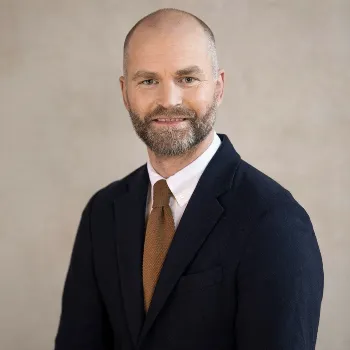
Major events, tourism peaks and daily rush hours can push urban mobility systems to their limits, forcing cities to balance the everyday needs of residents with the very different expectations of visitors. This session highlights how political leadership, major public transport investments, active-mobility measures and data-driven solutions help cities stay liveable and accessible – while advancing a more sustainable and responsible European tourism model.



Room: Promoteca
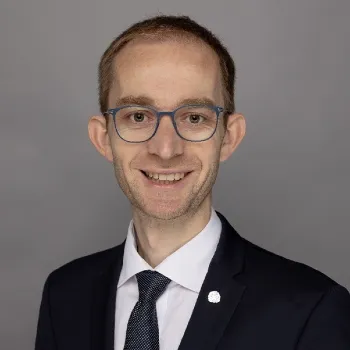
Rail is Europe’s cleanest and most reliable mode for daily and long-distance travel, yet its full potential depends on how well it connects into urban mobility systems. This session explores what is needed to better integrate long-distance and regional rail with local transport, active mobility, micromobility and urban logistics. We will look at how cities, as urban nodes, can develop multimodal hubs, strengthen first- and last-mile links, and put in place the funding, governance with other national and regional players, and planning frameworks required for seamless passenger and freight connections, while reflecting on measures to further incentivise passengers’ modal shift to commuter rail.


Venue: Terrazza Caffarelli (Piazzale Caffarelli 4, 00186, Roma, RM, Italy)
The second day of the Forum Meeting will start with two sets of parallel workshops, from 9:30-11:00 and then from 11:30-13:00.
Participants can register and attend only one workshop per round.
Room: Sassoli
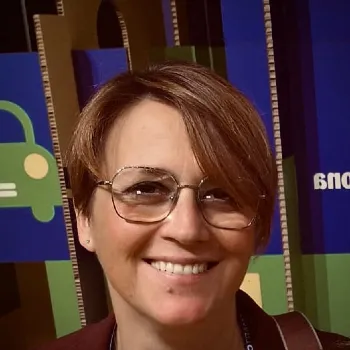
This Task Force workshop aims to discuss, validate and enrich the findings of the Eurocities Pulse Survey on the implementation and impacts of speed reduction in European cities that we conducted in 2025. Based on extensive data collected from cities across Europe, the survey provides evidence on governance frameworks, implementation pathways, enforcement, communication strategies and the safety, environmental and social impacts of 30 km/h policies.
The workshop will support the development of a survey-based report and policy statement by testing preliminary conclusions, identifying gaps, and gathering additional qualitative insights from Task Force members. Particular attention will be given to data availability, indicators used, impact assessment methods and evidence needs to strengthen advocacy at EU and national level.

Room: Mon. Di Liegro
Long-distance passenger and freight transport corridors, such as rail, road, and inland waterways have a significant impact on cities and urban regions. While they are essential for European connectivity and economic development, they can also generate negative externalities at the local level, including congestion, noise, air pollution, land-use pressure, and social impacts. Addressing these challenges often requires targeted investments and coordinated planning.
Effective responses depend on strong collaboration across governance levels, involving cities, regions, national authorities, and international partners. This session will explore how cities and regions are responding to trans-European transport flows, highlighting concrete initiatives, studies, and governance approaches that aim to balance European connectivity with local urban quality of life.




Room: Ex Giunta
Accessible route planning is essential for enabling independent mobility and full participation in urban life for persons with disabilities. While many cities are investing in digital tools and inclusive mobility services, challenges remain around the availability, quality, and use of accessibility data, as well as coordination between transport, public space, and digital planning. This 90-minute workshop brings together city practitioners, accessibility experts, and mobility stakeholders to explore how better route planning can be achieved through more inclusive design, improved data practices, and user-centred approaches. Discussions will focus on high-level principles, shared challenges, and emerging practices, highlighting how cities can move from fragmented solutions to more coherent, reliable, and accessible routing experiences that support diverse needs across the urban mobility system.

Room: Consiglio
Large sport events are critical stress tests for urban mobility systems. Sudden peaks in travel demand, driven by tens of thousands of spectators, staff, and service vehicles, can overwhelm transport networks, reduce service reliability, and negatively affect residents’ daily mobility patterns. Effective mobility management is therefore essential to safeguard accessibility, minimise congestion, and advance cities’ climate and public‑space objectives.
This session explores how cities can apply mobility management strategies to plan, operate, and monitor transport patterns during major events. By leveraging public transport prioritisation, active mobility measures, shared mobility coordination, real‑time data, and targeted communication campaigns, cities can significantly reduce car dependency while ensuring smooth travel for both residents and sport events crowds. The insights from the workshop will feed into an upcoming CIVITAS Policy Paper on Large Events and Mobility Management.

Room: Consiglio
Active mobility refers to modes of transport powered primarily by human energy—most notably walking and cycling. These modes bring clear advantages over motorised travel, including reduced air and noise pollution and more efficient use of public space. Yet active mobility is far from uniform: walking and cycling behaviours vary significantly depending on local context, climate, infrastructure, and social and cultural factors. Unlocking their full potential therefore requires thoughtful planning, targeted investment, and continuous monitoring.
This session explores several dimensions of walking and cycling, including strategies to encourage cycling in adverse weather conditions, transforming streets around schools to improve walkability, and ways to address transport poverty through more inclusive and affordable active mobility options.
In the second part of the session, participants will break into smaller groups for interactive discussions focused on overcoming common barriers and assumptions that have historically or culturally limited the uptake of active modes. The aim is to exchange practical approaches and real-life measures that cities have used to make walking and cycling natural, attractive, and accessible choices for everyday travel.


Room: Mon. Di Liegro
This interactive workshop, co-developed with Chaire ETI within their work on Sustainable Urban Proximities, explores how integrated urban planning can deliver mixed-use, resilient neighbourhoods that balance multiple priorities — from energy and green transitions to sustainable mobility, service accessibility, and social inclusion. Using scenarios and personas, participants will explore how cities can turn integrated planning strategies into tangible actions that break down silos, foster change, and generate positive impact.
The workshop will provide participants with practical insights and inspiration to advance integrated and resilient urban development in their own contexts.





Room: Sassoli
Cities across Europe are increasingly using data-driven tools, digital platforms and smart mobility solutions to improve transport efficiency and reduce environmental impacts. Yet data and technology alone are not sufficient to deliver sustainable, inclusive and equitable mobility systems. Governance frameworks, data-sharing practices and stakeholder engagement often struggle to keep pace with rapid digital change, creating gaps between data availability and effective decision-making.
This workshop explores how data-informed participatory approaches and multi-level collaboration can help bridge this gap. Through the lens of the GOLIA project, three cities will briefly present their local mobility use cases, focusing on data needs, stakeholder engagement challenges and lessons learned in using mobility data to support sustainability, accessibility and social equity objectives.




Room: Ex Giunta
Rome is accelerating its transition to zero-emission buses through large-scale procurement, coordinated infrastructure investment, and strong public–private collaboration, supported by national and EU funding. As one of Europe’s largest and most complex urban transport systems, the city illustrates how clean bus deployment goes beyond vehicle purchasing to include depots, charging infrastructure, grid connections, and operational planning. This workshop brings together city authorities, transport operators, industry stakeholders, and European experts to reflect on Rome’s progress and exchange practical experiences from across Europe. Discussions will explore how smart procurement can accelerate clean bus uptake while supporting wider sustainability goals and Europe’s strategic and economic development.

For the attendees joining this session, lunch will be served in the room
First time attending the Mobility Forum? This session is for you!
In this session, participants can gain a deeper understanding of Eurocities’ organisational structure and learn about the advantages of being a member. They will learn about the thematic areas of the Mobility Forum and the different opportunities that offers for its members. Additionally, this session will provide a space for participants to engage in discussion with Eurocities’ team and voice specific needs and interests of their cities.
Parallel site visits
The new Monte Ciocci–San Pietro cycle–pedestrian path was inaugurated on 17 April 2025 and is one of the strategic projects linked to Jubilee 2025.
The 1.2 km-long route was built by repurposing disused infrastructure and represents an important urban regeneration project. For this initiative, Rome Capital received the Jury Special Award at the 12th European Greenways Award in Bilbao. In addition to connecting several neighborhoods, the path links railway stations and metro lines, encouraging intermodal urban mobility.
The route is a branch of the Via Francigena Urbana, offering pilgrims, residents, and cycle tourists direct and sustainable access to the St. Peter’s Basilica. Funded by Jubilee 2025 resources (€6.7 million) and developed by RFI – Italian State Railways Group, the project is considered a European benchmark for urban regeneration. Future plans for the High Line include extending the route from San Filippo Neri Hospital to the Giustiniana district and enhancing the existing buildings along the path as refreshment areas and bicycle repair hubs.
The visit includes a bus transfer to Valle Aurelia station, where participants will find electric bicycles provided by sharing operators (LIME and DOTT).
The new Colosseo/Fori Imperiali and Porta Metronia stations on Rome’s Metro Line C were inaugurated on 16 December 2025, providing a rapid connection between the south-eastern and north-western districts of the city. Designed as “archaeo-stations,” they were built using the archaeological top-down construction method developed specifically for Rome’s historic center. This technique allows intermediate slabs to be built while excavation progresses from top to bottom, ensuring structural stability and continuity of archaeological investigations during construction. The Colosseo station, located beneath Via dei Fori Imperiali, offers direct interchange with Metro Line B and includes a museum area displaying artifacts uncovered during the Imperial Fora excavations. Porta Metronia station, near the Aurelian Walls, showcases significant archaeological remains from ancient Roman military barracks, including the so-called Domus of the Commander. The opening of the two stations extended Metro Line C, connecting distant suburbs to the city center, easing pressure on Line A, and bringing the total length of Rome’s metro network to approximately 21.2 km. Works are currently underway to extend the line toward Piazza Venezia and subsequently toward the north-western area of the city.
The group will transfer on foot (approximately 15 minutes).
The construction site for the Venezia Station of the Metro Line C is a highly complex project launched in June 2023 for the creation of an underground eight-level archaeo-station, with archaeological excavations carried out to preserve historical remains. The station will serve as a museum hub and an interconnection point for surrounding cultural institutions, with three direct exits to Palazzo Venezia, the Vittoriano, the Imperial Fora, and the Athenaeum of Hadrian. The station is expected to open between 2033 and 2035. Advanced construction techniques are being employed, including hydromill technology for diaphragm walls and archaeological top-down excavation. The station will reach a depth of 45 meters, with excavations extending down to 85 meters. In November 2025, the first major phase of works was completed, including diaphragm walls, archaeological excavation, and slab construction. Excavation and engineering works are currently ongoing and are particularly complex due to the significant presence of archaeological remains. The Venezia Station will represent a crucial hub for mobility in Rome and will stand as an engineering model—a colossal work in the heart of Rome, unique in the world also for its use of the hydromill, a machine 24.5 meters tall and weighing 185 tons, equipped with two rotating bodies capable of excavating sections of soil up to 2.80 meters wide and 1.50 meters thick.
The group will move on foot, as the site is adjacent to Palazzo Valentini. The site visit includes a technical explanation and requires compliance with safety regulations; participants’ shoe sizes must be collected in advance.
ATAC’s fleet is currently undergoing renewal through a full-electric plan that provides for the delivery of 425 new electric buses by 2026. Funded through Italy’s National Recovery and Resilience Plan (PNRR), the new buses—12 and 18 meters long with three doors—are state-of-the-art, silent, zero-emission vehicles equipped with advanced technologies and low floors. They feature advanced safety systems, including blind-spot sensors and braking assistance, intelligent suspension systems, and operate through overnight charging at the converted Portonaccio depot. Next-generation batteries ensure a range of approximately 300–350 km, allowing for a full day of service.
The visit to the Portonaccio depot—reached by the group aboard an ATAC electric bus—offers insight into a major PNRR-funded project of strategic importance for the city in terms of electric infrastructure and fleet modernisation.
Rome is aligning with other major European cities that have adopted “Zone 30” areas, placing sustainable mobility at the center of its transport policies through the Sustainable Urban Mobility Plan (PUMS). The Zone 30 regulation, which introduces a 30 km/h speed limit throughout the historic center’s Limited Traffic Zone, came into force on January 15. Its objectives are to improve road safety, enhance urban livability, and reduce noise and air pollution; implementation is currently ongoing through new signage. One of the most significant projects of the current administration is the Piazza Pia underpass, funded by Jubilee resources and inaugurated on December 23, 2024. Vehicular traffic has been completely placed underground, restoring a pedestrian space that historically connected Castel Sant’Angelo to St. Peter’s Basilica. The project included new paving, public lighting, urban greenery upgrades, two large fountains at the center of the square, and enhanced accessibility for people with reduced mobility. Piazza Pia is now Rome’s largest pedestrian urban area, with a capacity of up to 150,000 people.
The group will travel from Palazzo Valentini to Piazza Pia by a dedicated ATAC bus.
Departing from Stazione Termini—the main railway hub of Rome, redeveloped in urban and functional terms for Jubilee 2025—the visit includes a journey aboard the Archeotram, a sustainable mobility initiative that integrates public transport with cultural tourism. The service operates using restored historic trams from the 1950s, traveling along a panoramic route that passes iconic archaeological sites such as the Circus Maximus, the Colosseum, the Domus Aurea, Porta Maggiore, and Termini station. The initiative aims to enhance the city’s heritage while offering an immersive and accessible cultural experience. The group will disembark at the Circus Maximus stop, where one of the new “Eterna” smart public transport shelters is located, part of the Jubilee Smart Shelter Plan. From there, the group will proceed to the GRAB (Grande Raccordo Anulare delle Bici), a cycling route of approximately 50 km included in the national tourist cycling network that connects the central areas of Rome with the more outlying ones, serving as a link between the city’s different historical, urban, and architectural eras.
Venue: Palazzo delle Esposizioni (Via Milano, 9/a, 00184 Roma RM, Italy)
Room: Sala Conferenze, Floor -1
During this session, you will have the chance to hear about challenges, success stories and results from:
Espoo - A Freight Dilemma: how to accelerate the shift to clean city logistics? - Mari Päätalo, Development Manager
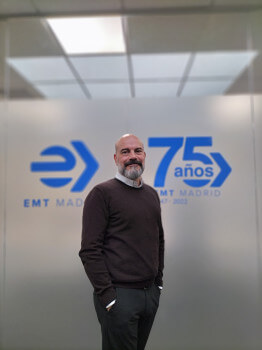
EMT Madrid - Advancing Public Transport Automation: EMT Madrid’s Integrated CCAM Strategy - Sergio Fernández Balaguer, Head of International Department
Cycling Counts - Cycling data in the EU - Thomas Mourey, Project Coordinator, Eurocities
JUST STREETS - Co‑Creating a School‑Street: Equity, Accessibility and Shared Ownership in Braga - Filipa Corais, Head of Mobility Department
Rotterdam - How to nudge? Lessons from pilots on changing mobility behaviour - Kevin van der Linden, Mobility Strategist
Rome - Transforming School Streets Through Art - Iolanda Fiori & Fabrizio Benvenuti, RSM Resp. "Strade scolastiche" project
Braga - Making Urban Mobility More Inclusive: Reclaiming Braga’s Streets for People - Filipa Corais, Head of Mobility Department
Stockholm - Reimagining Urban Spaces – Stockholm’s Journey Toward a Greener, People-Centered City - Joanna Saber, Traffic Planner
AMAT Milan - ELABORATOR: A Data-Driven Decision Support System for Universal Accessibility in Milan - Andrea Canevazzi, Head of Universal Accessibility Unit AMAT
CodeZERO - Cities' role in shaping sustainable e-commerce delivery solutions - Anne-Charlotte Trapp, Project Coordinator, Eurocities
Room: Floor 2
Room: Sala Conferenze, Floor 2
Find all about the latest burning issues we have been working on. In this session the Eurocities Mobility Team will provide updates on the work we are carrying out in working groups and task forces, as well as opportunities for members coming from EU funded projects.
Celebrate with us 40 Years of Eurocities
Participants can attend only one workshop.
Room: Sala Conferenze, Floor -1
Forty years on, European cities have transformed how people and goods move. What did we change, what did we learn, and where do we go next? In this interactive session, city peers will fast‑scan the past four decades, share turning points, and discuss the next‑decade priorities for urban mobility. Join to help shape a shared agenda for 2030–2035 and capture commitments we can carry forward across the Eurocities network.
Room: Sala Conferenze, Floor 2
Progress is paved with imperfect experiments. In this “Fail Forward” session, cities will share short, candid stories of mobility initiatives that didn’t land as planned, and the pivots that followed. Chatham House Rule applies; no recording without consent.
Come to learn from what didn’t work—so the next thing does.